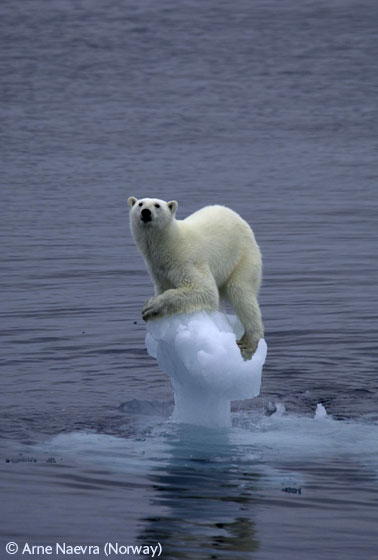
I have never had to think about what specifically I believe are the biggest problems in America today but when faced with the question, it was harder than I thought to come up with a solid answer. I believe that Global Warming is by far the largest problem facing America and the world today because it not only is affecting us right now, but will continue to affect us in the future. Another large problem in America is immigration. This is a major problem itself but it also poses problems in many other related categories like poverty, overcrowding of the population, and child labor to name a few specific issues. Thirdly, something affecting the entire country is the war going on overseas. I think this limits resources an d government spending is ridiculous regarding war costs. This problem also affects millions of Americans and their families.
These problems are covered by the media regularly, if not daily and this popularity of controversial topics allows the information to be spread far and wide to get the word out that change needs to occur now more than ever. Everyday when I turn on the news, the war is covered and causalities are shown and talked about for about ten minutes. Also, global warming is discussed and the effects that it is having on the world. Also, many celebrities have come about to campaign the stop of global warming which shows that it is a major problem in America. As far as immigration goes, it is not talked about heavily because I believe it is censored somewhat from American media. The government does not necessarily want citizens to know that the border patrol is too weak, that immigrants are taking our jobs, and that these people are illegally living in our country without paying taxes.
I learned a great deal about immigration from my American Pluralism class last semester. Although I learned about it somewhat in high school, college has brought it to the forefront because in college, such raw topics are discussed with an open mind. In American Pluralism, we discussed major controversies relating to crime and the restriction of laws regarding immigrants. We read and discussed stories of specific people being affected by laws set by America and how these laws are affecting immigrants near and far.
Without the media coverage on topics like global warming and the war, I do not believe that I would have a great deal of knowledge about these topics. After all, although the war is affecting me because it is America fighting, I do not know an yone specifically who is fighting in it and I do not think about it on a daily basis. As far as global warming goes, I do not think about it regularly because it is not really affecting me now either. I know that in the future it will but as of right now, it is not. The media has played a crucial role in censoring information the government does not want Americans to know, but they have also informed Americans on important topics that continue to affect us all.
 d government spending is ridiculous regarding war costs. This problem also affects millions of Americans and their families.
These problems are covered by the media regularly, if not daily and this popularity of controversial topics allows the information to be spread far and wide to get the word out that change needs to occur now more than ever. Everyday when I turn on the news, the war is covered and causalities are shown and talked about for about ten minutes. Also, global warming is discussed and the effects that it is having on the world. Also, many celebrities have come about to campaign the stop of global warming which shows that it is a major problem in America. As far as immigration goes, it is not talked about heavily because I believe it is censored somewhat from American media. The government does not necessarily want citizens to know that the border patrol is too weak, that immigrants are taking our jobs, and that these people are illegally living in our country without paying taxes.
I learned a great deal about immigration from my American Pluralism class last semester. Although I learned about it somewhat in high school, college has brought it to the forefront because in college, such raw topics are discussed with an open mind. In American Pluralism, we discussed major controversies relating to crime and the restriction of laws regarding immigrants. We read and discussed stories of specific people being affected by laws set by America and how these laws are affecting immigrants near and far.
Without the media coverage on topics like global warming and the war, I do not believe that I would have a great deal of knowledge about these topics. After all, although the war is affecting me because it is America fighting, I do not know an
yone specifically who is fighting in it and I do not think about it on a daily basis. As far as global warming goes, I do not think about it regularly because it is not really affecting me now either. I know that in the future it will but as of right now, it is not. The media has played a crucial role in censoring information the government does not want Americans to know, but they have also informed Americans on important topics that continue to affect us all.

 E-mail simplifies everyone’s lives is an understatement to them. They cannot fathom picking up the phone and calling everyone that they e-mail and nor could I.